



Study BA Interior Design in Dubai
Foundation
1 Year
44,100 AED
An International Year Zero in BA Interior Design is designed to help you step confidently into the world of creative design. This foundation year gives you the freedom to explore how interior spaces come together, playing with colour, texture, light, and layout through hands-on studio sessions.
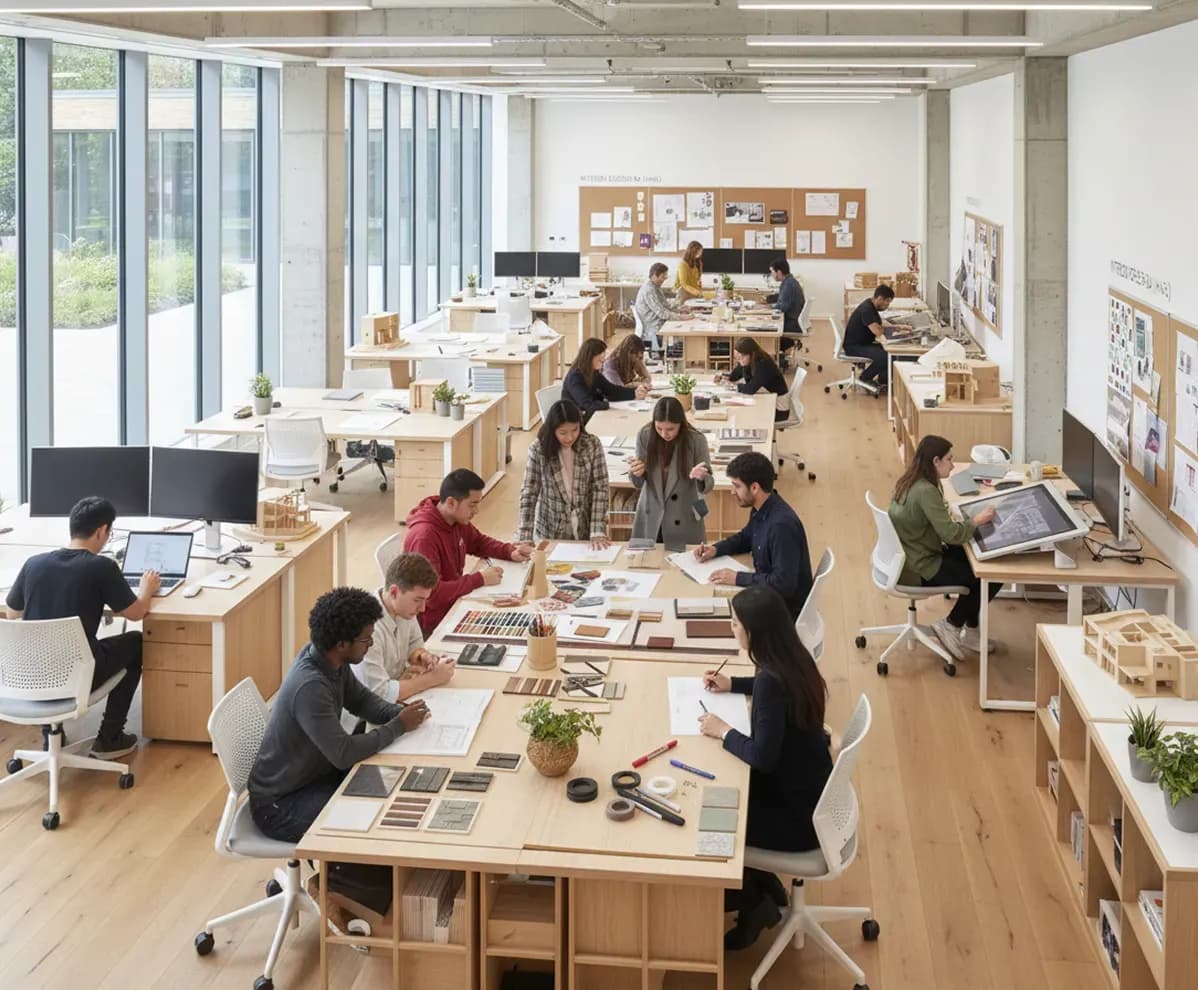


Understanding Space & Design Thinking
Learn how to read and shape interior environments by working with light, materials, and proportions to create spaces that are both functional and visually engaging.

Professional Design Portfolio
Develop a polished portfolio featuring your sketches, mood boards, and 3D models, guided by experienced interior designers who understand industry expectations.

Guaranteed Progression to a Bachelor’s Degree
Complete the year successfully and move straight into your chosen Bachelor’s programme; no need to go through a separate reapplication process.

Industry-Standard Creative Spaces
Study and create in modern design studios and fabrication labs, using the same tools and software trusted by leading interior design practices
Explore The Best University Options For This Course
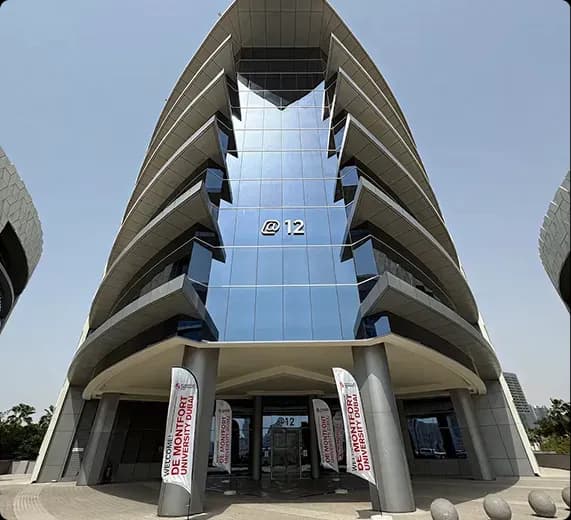
De Montfort University, Dubai
Dubai,UAE

The university's first overseas campus outside of the United Kingdom is De Montfort University (DMU) Dubai, which was inaugurated in 2021. This campus, which is situated in Dubai ....
Universities in the UAE



Study BA Interior Design in Dubai
Empower your creative vision with the right course
Access to Premier Architecture: The skyline of Dubai boasts record-setting buildings such as the Burj Khalifa, offering students ongoing motivation and practical examples in innovative interior and spatial design.
Closeness to Global Design Centres: The city hosts the Dubai Design District (d3), a creative environment where students can connect with leading global companies and participate in renowned events such as Dubai Design Week.
A Booming High-End Market: With a constant influx of luxury hospitality, retail, and residential projects, students have unique opportunities for high-profile internships and exposure to the lucrative world of premium interior design.
Multicultural Collaboration: Studying in a "global village" with peers from over 150 nationalities allows students to blend diverse cultural aesthetics, a vital skill in today’s international design industry.
Focus on Future Innovation: Dubai leads in smart-city and sustainable development, giving students hands-on experience with eco-friendly materials and the latest 3D-modelling technologies used to create "green" indoor environments.
Educational History: Submit your secondary school records (like High School Diploma, CBSE, or A-Levels) with a demonstrated interest in art, design, or humanities.
English Language Requirement: Meet the required level of English proficiency (usually IELTS 5.0–5.5) so you can confidently follow studio sessions, critiques, and lectures. Statement of Intent: Tell your story. Explain what draws you to interior design, what inspires you, and how you see yourself contributing to the field in the future.
Creative Assessment: While this is a foundation year, you may be asked to show examples of your creative hobbies or participate in a simple drawing task to assess your visual potential.
Admissions Consultation: Have a one-on-one discussion with our admissions team to explore your career ambitions and confirm that the IYZ is the right fit for your creative journey.
Technical Bridging: Gain fluency in essential design language and technical drawing standards that may not have been covered in your previous schooling.
Seamless Transition: This year bridges the gap between school and university, ensuring a place in the BA (Hons) Interior Design program after successful completion.
Career-Ready Assets: By the end of the year, you will have a diverse portfolio that proves your ability to take a design project from initial concept to final 3D visualisation.
Integrated Learning: Benefit from specialised modules that combine academic research with practical making, preparing you for the intellectual demands of a degree.
Interior Design Consultant: Work with boutique firms or large developers to design high-end residential, commercial, or hospitality spaces.
Visual Merchandiser: Apply your spatial skills to the retail sector, designing captivating window displays and store layouts that drive consumer engagement.
Sustainability Specialist: Advise on "green" interiors, focusing on non-toxic materials, energy-efficient lighting, and sustainable furniture sourcing.
Set & Exhibition Designer: Create temporary environments for film, television, or international trade shows and museum galleries.
Furniture & Product Designer: Specialises in the details, creating bespoke furniture pieces or lighting fixtures that complement modern architectural spaces.
Frequently Asked Questions
01
What is the goal of an Interior Design "Year Zero"?
It is a dedicated year to help you transition from general school subjects to a specialised design mindset. It focuses on helping you find your "creative voice" while building the technical portfolio needed for a professional degree.
02
What is the difference between a foundation year and a foundation degree?
A foundation year (IYZ) is an "extra year" that leads to a full Bachelor's degree. A foundation degree is a shorter, separate qualification that may allow you to enter the final year of a degree later on.
03
How does the IYZ support students moving to Dubai?
It provides a "settling-in" period where you can learn about the local culture and design regulations without the pressure of a full degree workload, helping you build a network of friends and mentors early on.
04
What are the specific entry requirements for the IYZ?
Requirements vary by institution and your previous curriculum. Generally, it involves a mix of academic grades and a demonstrated passion for design. We recommend contacting the admissions team for a personalised eligibility check.
05
How do EAP classes help me as a design student?
English for Academic Purposes (EAP) ensures you can explain your design concepts clearly, write professional project reports, and reach the required IELTS level (usually 6.0+) for progression to Year 1.
© All rights reserved. StudyFinder.
Powered by SpiderWorks