



Engineering Management MScs
Masters
1 year
89,250 AED
This course is tailored for both recent graduates seeking to transition into engineering management and for experienced engineers aiming to move into management roles, broadening their expertise beyond their technical field into business and leadership. Combining engineering knowledge with business principles and sustainable development challenges, the course focuses on essential management areas for engineers. You’ll gain expertise in project management, information systems management, and people management. The diverse and comprehensive content is designed to prepare you for leadership roles within engineering firms or technical management positions in business environments.



Accredited programme
This programme is accredited by the Institution of Engineering and Technology (IET) to Chartered Engineer (CEng) level, providing a clear path toward professional registration and career advancement.

Industry Engagement
You will have the opportunity to engage with real-world engineering management challenges through collaboration with industry professionals, including engineers and managers.

Guest Lectures & Insights
Throughout the course, guest lectures from practitioners will offer valuable insights into current industry practices.

Student Societies & Networking
You can also connect with peers and gain practical experience by participating in student engineering societies.
Explore The Best University Options For This Course
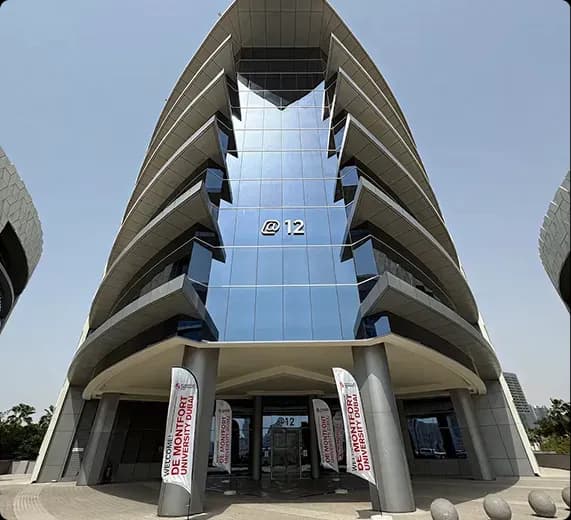
De Montfort University, Dubai
Dubai,UAE

The university's first overseas campus outside of the United Kingdom is De Montfort University (DMU) Dubai, which was inaugurated in 2021. This campus, which is situated in Dubai ....
Universities in the UAE



Study Engineering Management MSc in Dubai
Build the Skills That Power Global Projects
Global Engineering Hub: Dubai features world-class infrastructure and technology-driven engineering projects.
Industry Exposure: Provides access to multinational companies and large engineering developments across sectors.
International Learning Environment: Diverse classrooms support collaboration and offer global management views.
Career-Oriented Ecosystem: Strong connections between schools and industry promote applied learning and professional advancement.
Strategic Location Advantage: Offers links to global markets in the Middle East, Asia, and Europe.
Eligibility Assessment: Applicants generally need an engineering or related undergraduate degree.
Application Submission: Candidates complete an application with academic records and personal details.
Statement of Intent: Candidates outline their professional aspirations and motivations for pursuing engineering management.
Document Verification: Supporting materials might consist of transcripts and evidence of language proficiency.
Offer and Enrollment: Successful applicants receive confirmation and proceed with registration formalities.
Career Progression Opportunities: Supports transition from technical roles into supervisory and managerial positions.
Balanced Skill Development: Enhances both technical expertise and business decision-making capabilities.
Leadership Readiness: Graduates learn to manage teams, oversee budgets, and handle complex systems.
Industry-Relevant Knowledge: Aligns what students learn with current engineering and management practices.
Global Career Flexibility: Abilities can be applied across various sectors and worldwide markets.
Engineering Project Manager: Oversees engineering projects from planning to delivery, ensuring targets for time, cost, and quality are met.
Operations Manager: Manages production, processes, and resource optimisation in engineering companies.
Supply Chain Manager: Handles procurement, logistics, and distribution in businesses driven by engineering.
Engineering Consultant: Provides advice on technical, operational, and strategic engineering issues.
Research and Development Manager: Leads innovation, product development, and technology improvement efforts.
Frequently Asked Questions
01
Is this course suitable for working engineers?
Yes, it is made for professionals aiming to move into management positions.
02
Does the program focus more on management or engineering?
It maintains a good balance between technical engineering and management skills.
03
Can graduates work outside core engineering industries?
Yes, the skills are useful in consulting, operations, technology, and manufacturing.
04
Is prior work experience required?
Some experience is beneficial, but requirements may vary by school.
05
Can this degree support further academic or research study?
Graduates can pursue doctoral research or specialised postgraduate programs.
© All rights reserved. StudyFinder.
Powered by SpiderWorks